 Geobru catalogue
5000
Type of resources
Available actions
Topics
INSPIRE themes
Keywords
Contact for the resource
Provided by
Years
Formats
Representation types
Update frequencies
status
Scale
-
These map layers provide a detailed representation of archaeological sites from prehistory to the 18th century and enable efficient management of regional preventive archaeology. Archaeological Atlas : These map layers list archaeological sites and discoveries as well as an expansion zone of human settlements around the main remains. Archaeological and Historical Inventory : These map layers present the thematic inventory of a series of sites confirmed by archaeology and historical sources (monasteries, monastic refuges, breweries, cellars…).
-
These map layers include the perimeters of programs and urban renewal operations financed by the Brussels-Capital Region (sustainable neighborhood contracts, urban renewal contracts) as well as the current preemption perimeters.
-

This dataset corresponds to the publicly accessible green spaces. It is made of one geometric classes : publicly accessible green spaces.
-
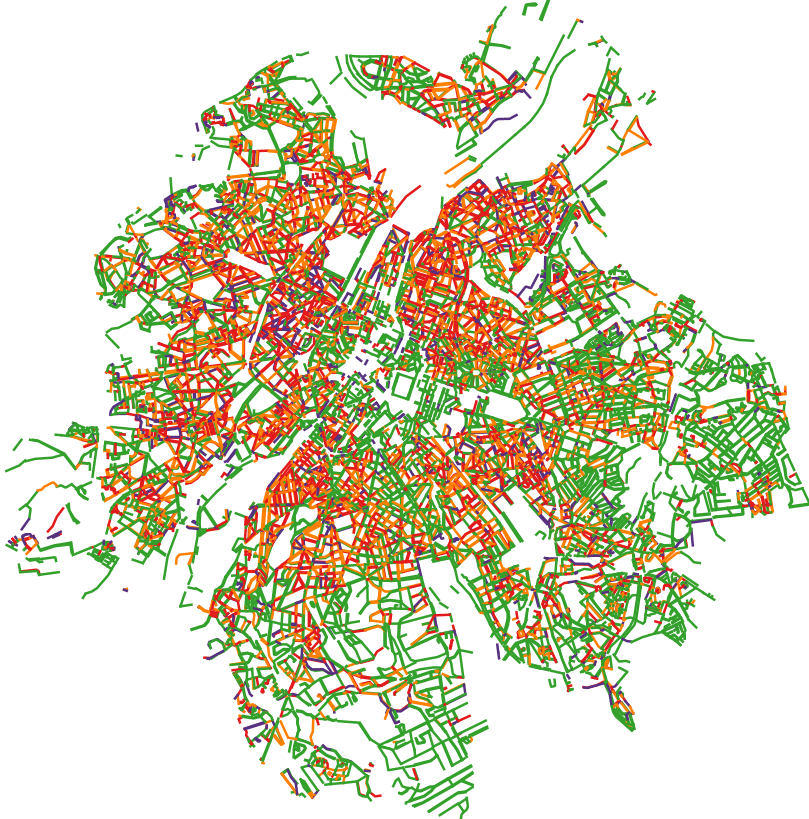
This dataset corresponds to the total occupancy rate of parking demand in 2019 by the different modes of transport (cars and vans, motorised two-wheelers, lorries, other) on all the roads in the Brussels-Capital Region.
-
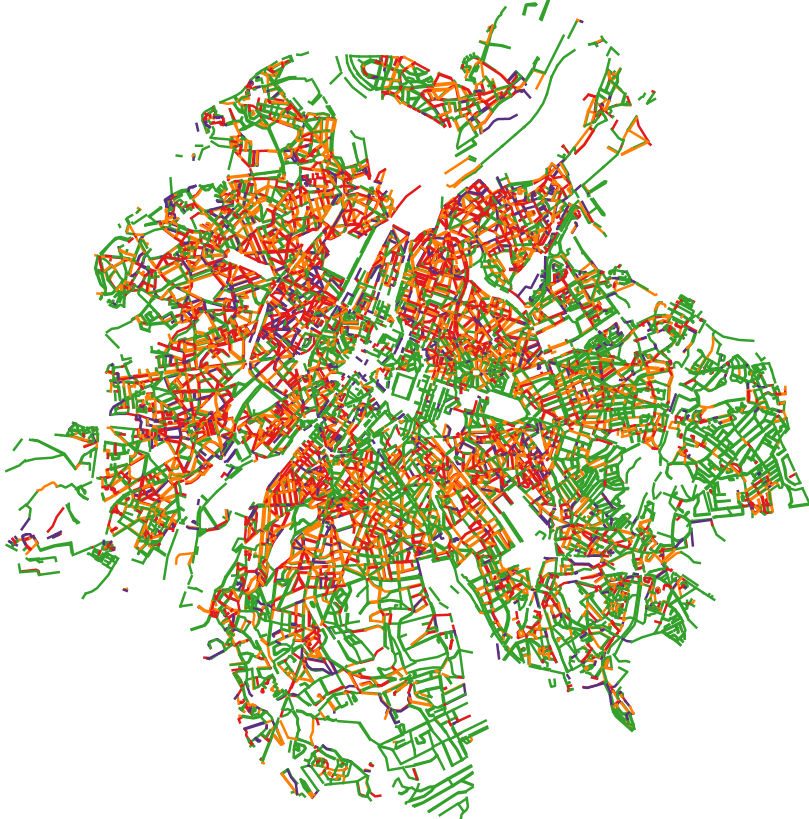
This dataset corresponds to the total occupancy rate of parking demand in 2023 by the different modes of transport (cars and vans, motorised two-wheelers, lorries, other) on all the roads in the Brussels-Capital Region. This total occupancy rate is calculated on the basis of 4 time slots: - Tuesday or Thursday from 5.00 am to 7.00 am - Tuesday or Thursday from 10.00 am to 12.00 am - Tuesday or Thursday from 8.00 pm to 10.00 pm - Saturday between 10.00 am and 6.00 pm For each time slot, details of parking demand categorised by mode of transport are available.
-
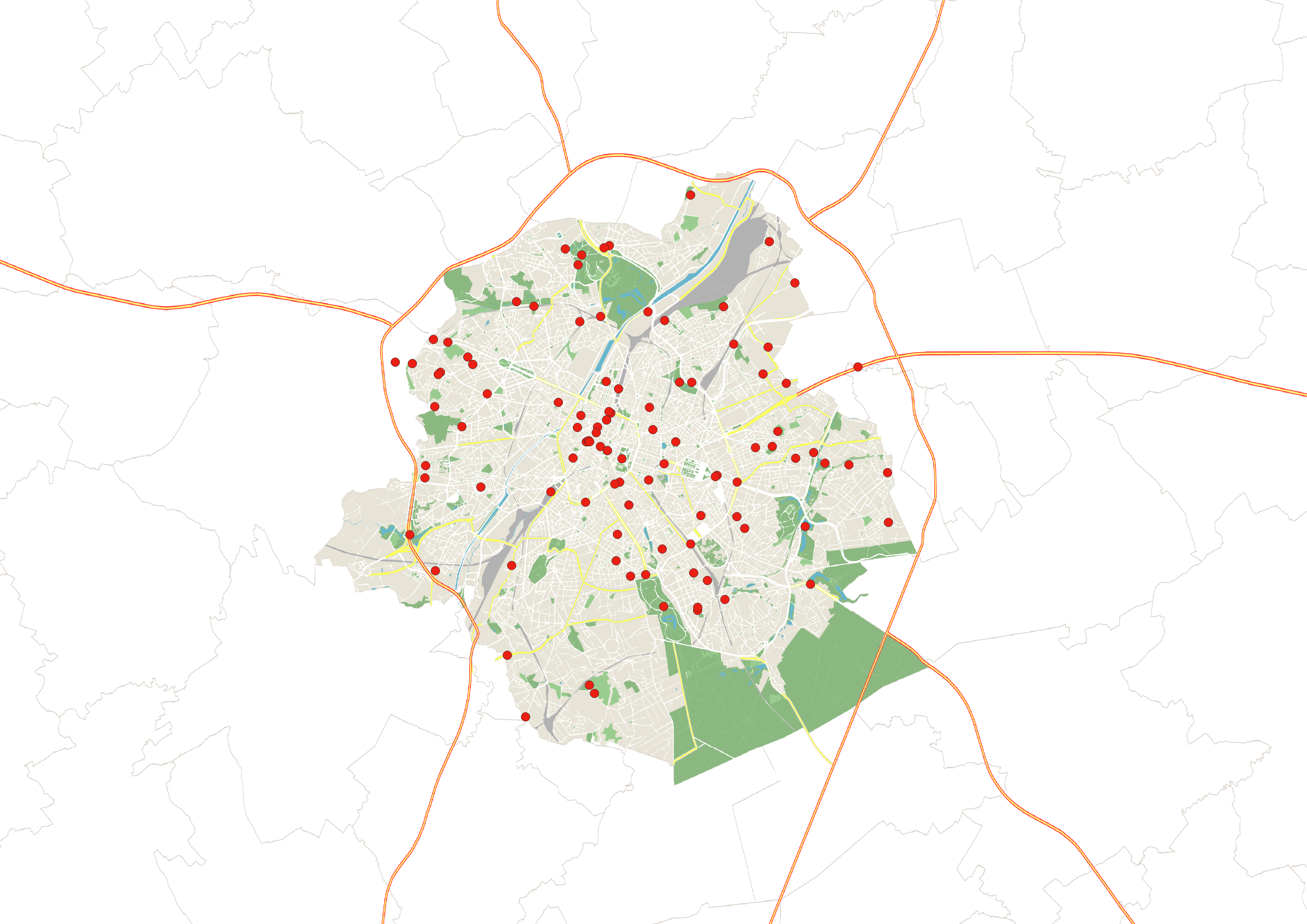
This dataset is an inventory of toilets accessible to the public in the Brussels-Capital Region in 2023. It includes information on the price and number of toilets available, their opening hours, access for people with reduced mobility, and whether a sink and changing table are available. It is freely available to download as an Excel file.
-
This layer shows the locations of monuments, ensembles, trees, and sites listed in legal inventories.
-

This dataset contains the access roads, whether parking is allowed or not, in the Brussels-Capital Region, categorised by type of reglementation, orientation and situation.
-
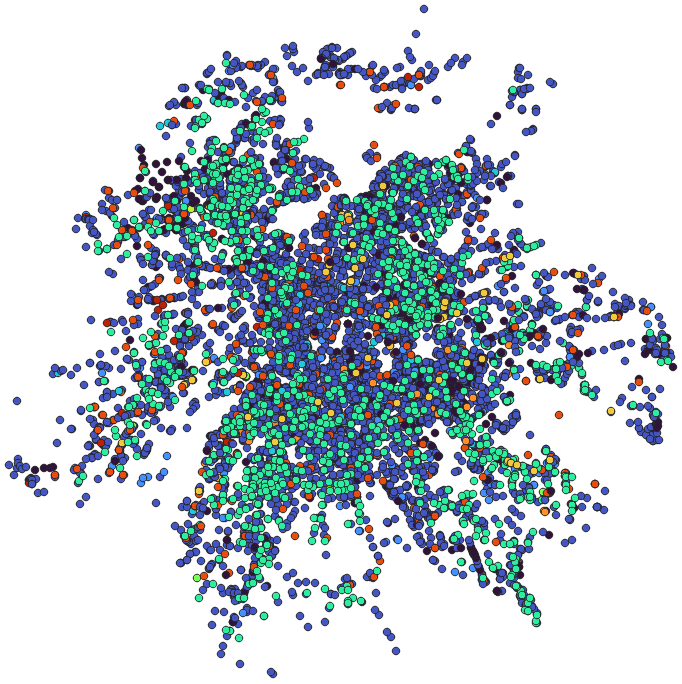
This dataset corresponds to the supply of and demand on alternative mode parking devices in the Brussels-Capital Region, categorised according to the type of parking facility and the type of vehicle parked.
-
This layer includes the collective opinions issued by the Royal Commission of Monuments and Sites on both protection proposals and requests for work on buildings or sites, whether or not they are protected. The description of each specific procedure, during which the RCMS provides its opinion, is available on its website: https://crms.brussels/procedures.