 Geobru catalogue
10000
Type of resources
Available actions
Topics
INSPIRE themes
Keywords
Contact for the resource
Provided by
Years
Formats
Representation types
Update frequencies
status
Scale
-
This dataset corresponds to the inventory of agricultural lands in the Brussels Region. It is made of one geometric class.
-
This dataset includes the urban planning infractions observed on the territory of the city of Brussels as specified in article 300 of the Code bruxellois de l'aménagement du territoire / Brusselse wetboek van Ruimetelijke ordening.
-
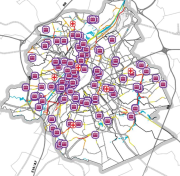
Brussels-Capital Region :
-
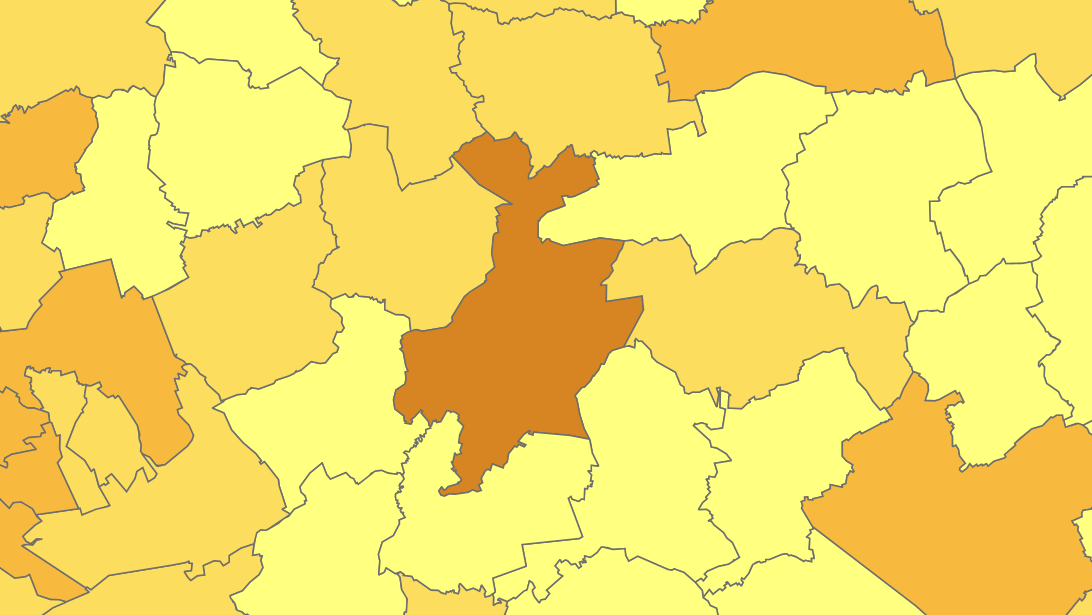
The files contain the population characteristics (total, gender and/or age groups) by municipality in Belgium on January 1st, according to the Belgian definition of the population. The Belgian definition does not take into account the 12-months criterion and excludes asylum seekers. More information at https://ec.europa.eu/eurostat/cache/metadata/en/demo_pop_esms.htm#unit_measure1589188532500.
-
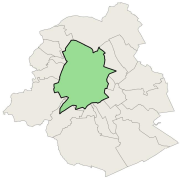
This dataset corresponds to the priority greening zone. It is made of one geometric classe : the priority greening zoneas defined in the Regional Plan for Sustainable Development (RPSD).
-
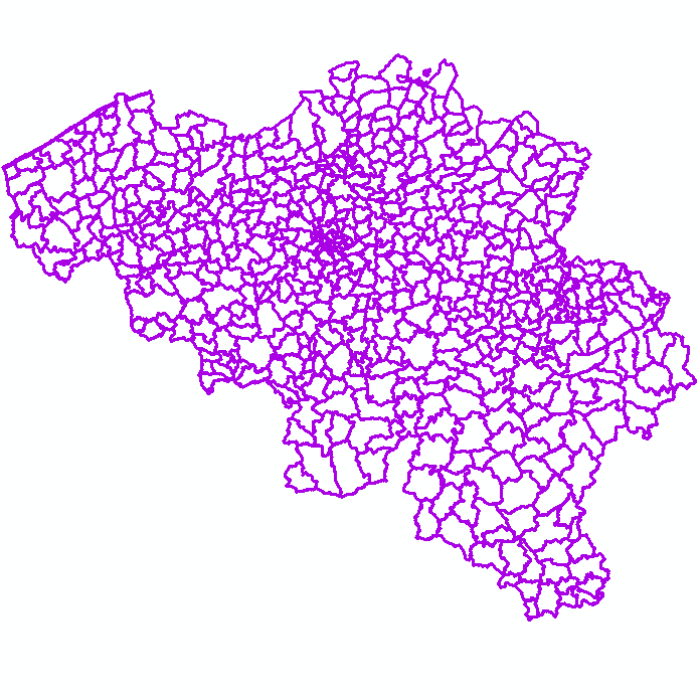
Administrative units corresponds to the dataset of administrative units from the reference database for the land register data. Administrative limits are legally defined by an administrative entity or between two administrative entities. In Belgium, administrative limits as legally defined are fixed and can only be changed by a law, ordinance or decree. The General Administration of Patrimonial Documentation of the FPS Finance is named by the federal authorities as the authentic source of Belgian administrative limits. This dataset corresponds to the legal situation as defined on January 1st of the reference year or to the situation at the specified date. It is composed of seven geometric classes (polygons and lines) and one class without geometry. The first class corresponds to the whole national territory. The second corresponds to the territory of the three regions, the third to the territory of the provinces, the fourth to the territory of the administrative districts, the fifth to the territory of the municipalities, the sixth to the territory of the Antwerp city districts and the seventh to the administrative boundaries in the form of lines. The class without geometry corresponds to the table of tax situations. The dataset can be freely downloaded as a zipped shapefiles.
-
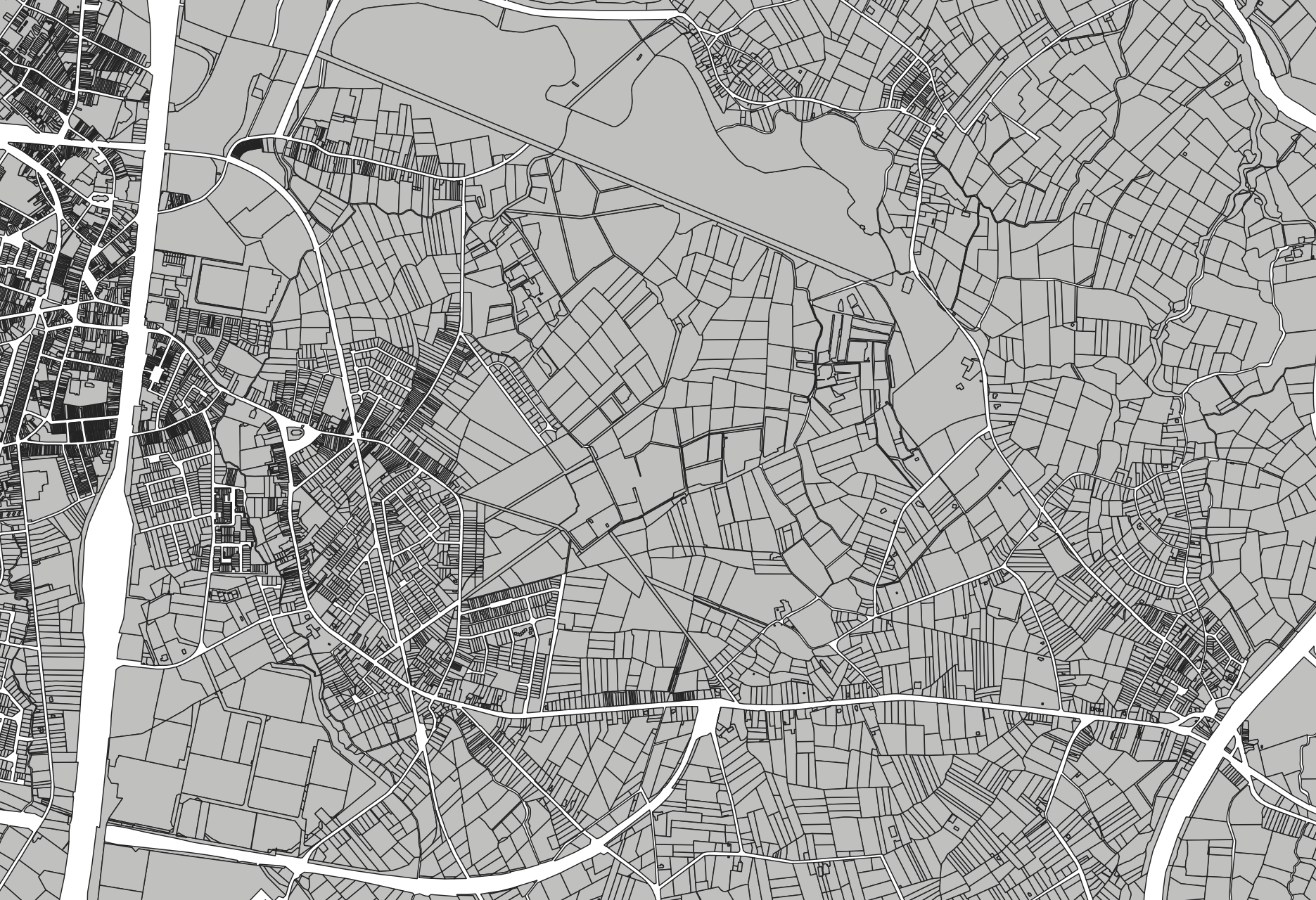
Cadastral parcels - monthly situation corresponds to the dataset of the monthly situation of the cadastral parcels layer from the Land Register plan. The dataset is composed of two classes. The first class contains the geometries of the cadastral parcels; the second is a class without geometry and corresponds to a code table of the different fiscal situations used in the first class. The dataset can be freely downloaded as a zipped shapefiles.
-
This dataset covers the inventory of the municipal trees of Jette. For each municipal tree, it includes information such as its location, scientific name, measurements (height, trunk circumference, crown diameter, etc.), and its leaf surface area.
-
This dataset corresponds to the flood hazard maps for the Brussels-Capital Region, in accordance with the European Directive 2007/60/EC of 23 October 2007 on the assessment and management of flood risks. It is made of 16 geometric classes. These flood hazard maps show the areas that may be flooded by watercourses (fluvial flooding), as a result of rainwater runoff during heavy rainfall (pluvial flooding), or by sewer overflow at the surface onto public roads (the latter are not fully available for the region). These maps show the extent, water levels and flow velocities of the areas that will be flooded under various scenarios: a return period of 25, 100 and 100 years, and a climate change scenario (corresponding to a hundred-year rainfall event from 2100 onwards, based on a climate warming trajectory of up to +3.5 °C). In addition, there is a map showing the areas where the groundwater table is located less than 2.5 m below ground level. Flooding problems, such as water entering basements, may occur when groundwater is close to the ground surface. Please note that these maps have no regulatory value.
-
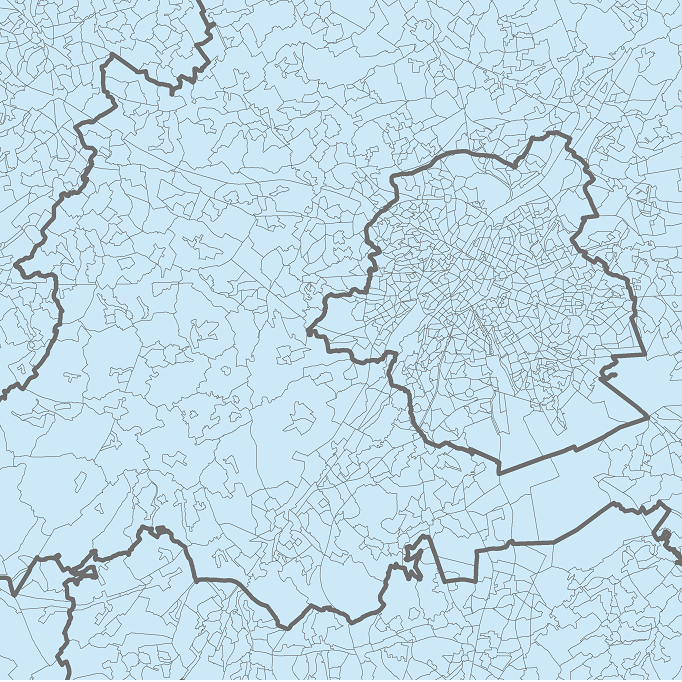
The data set presents in the form of polygons the breakdown of Belgium in almost 20,000 statistical sectors. The statistical sector is the basic territorial unit resulting from the subdivision of the territory of municipalities by STATBEL since 1970 for the dissemination of its statistics at a finer level than the municipal level. A statistical sector cannot extend over two municipalities and any point in the municipal territory is part of one and the same statistical sector. The 1970 and 1981 versions are shown in analogue format while the 2001, 2011, 2018, 2019 etc. versions are available in digital vector format. The files can be linked to the data on population, housing and disposable income on the website of Statbel.