 Geobru catalogue
Type of resources
Available actions
Topics
INSPIRE themes
Keywords
Contact for the resource
Provided by
Years
Formats
Representation types
Update frequencies
status
-
The objective of this report is to conduct a study and evaluation of the state of discrimination in the Brussels labor market through the principle of situation testing.
-
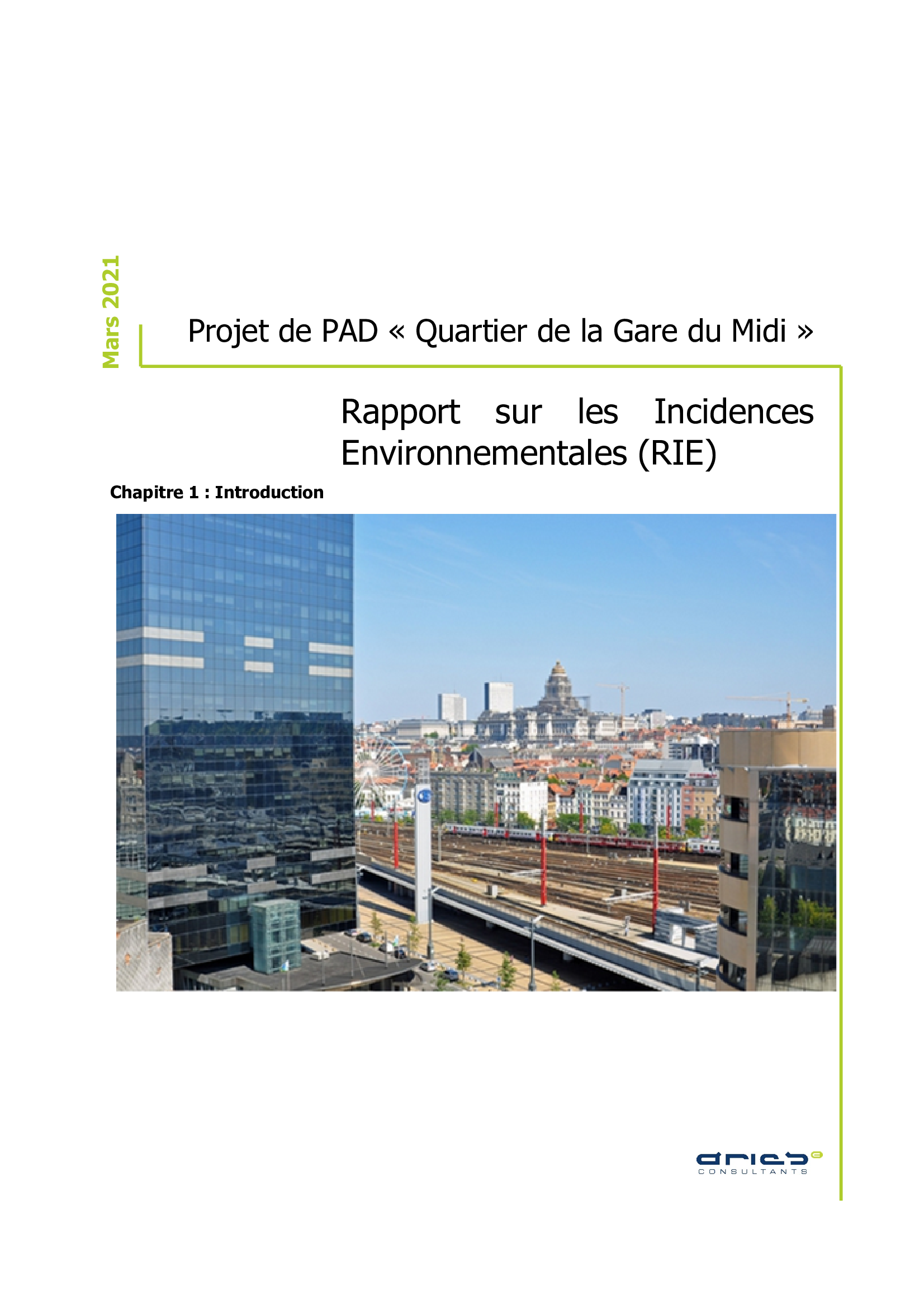
Master Development Plan (MDP) project of the "Gare du Midi area", Environmental Impact Report (EIR)
-
The general objective of this study was to have a more in-depth knowledge of the reality of Fair Trade in the Brussels-Capital Region.
-
The study consists of interviews (in depth semi-structured) with 12 project leaders of the call 'Brussels on Holiday' 2020. The objective was to be able to (re)orient the future call for projects.
-
The objectives of the survey are to determine the level of understanding of the different concepts relating to energy and EPB, and to measure the level of understanding and acceptance among homeowners and property managers of future EPB obligations in the Brussels-Capital Region, as well as exemptions and financial aid.
-
Self-renovation could be a way of achieving the climate objectives of the Brussels-Capital Region's Renovation Plan more quickly, i.e. attaining an average C+ energy performance for residential buildings by 2050. It would also enable a response to the rise in energy prices, allowing those in need to be included in the renovation of Brussels' heritage. The aim of this study is to verify whether these assumptions can be applied in the Brussels-Capital Region.
-
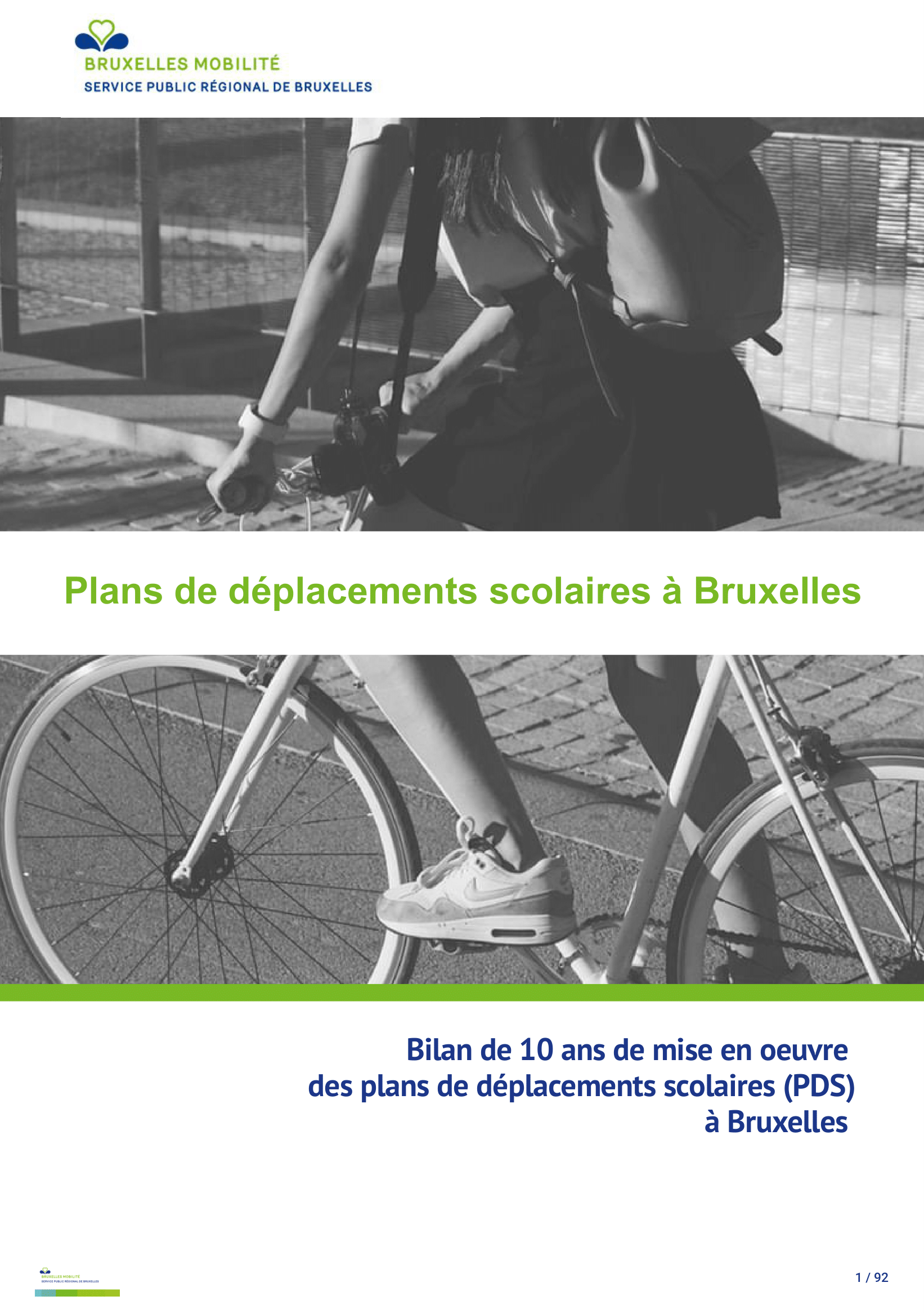
Study to analyse all available data on school mobility and draw conclusions on the functioning of School Travel Plans: what works well, what could be improved? The study produced interesting data analyses and useful recommendations that have since been put into practice.
-
The dataset correponds to the nitrate content of raw groundwater intended for human consumption, monitored by Brussels Environment and supplemented by operators of drinkable groundwater abstraction points located in the nitrate-vulnerable zone delimited by DGBCR on 25 may 1999.
-
This report concerns the quality of water intended for human consumption, distributed during the 2017–2018–2019 period in the Brussels-Capital Region, with the aim of informing consumers of distributed water. The legal framework is defined by the Decree on the quality of water distributed through the network. This decree sets the quality standards the water must meet and outlines the obligations of the water supplier. As required by the decree, the report covers, at a minimum, all individual water supplies of more than 1,000 m³ per day on average or serving more than 5,000 people. In the Brussels-Capital Region, only one water supplier meets these conditions: VIVAQUA. Therefore, the report is limited to the water distributed by them. Water intended for human consumption is referred to as publicly distributed network water, tap water, or drinking water.
-
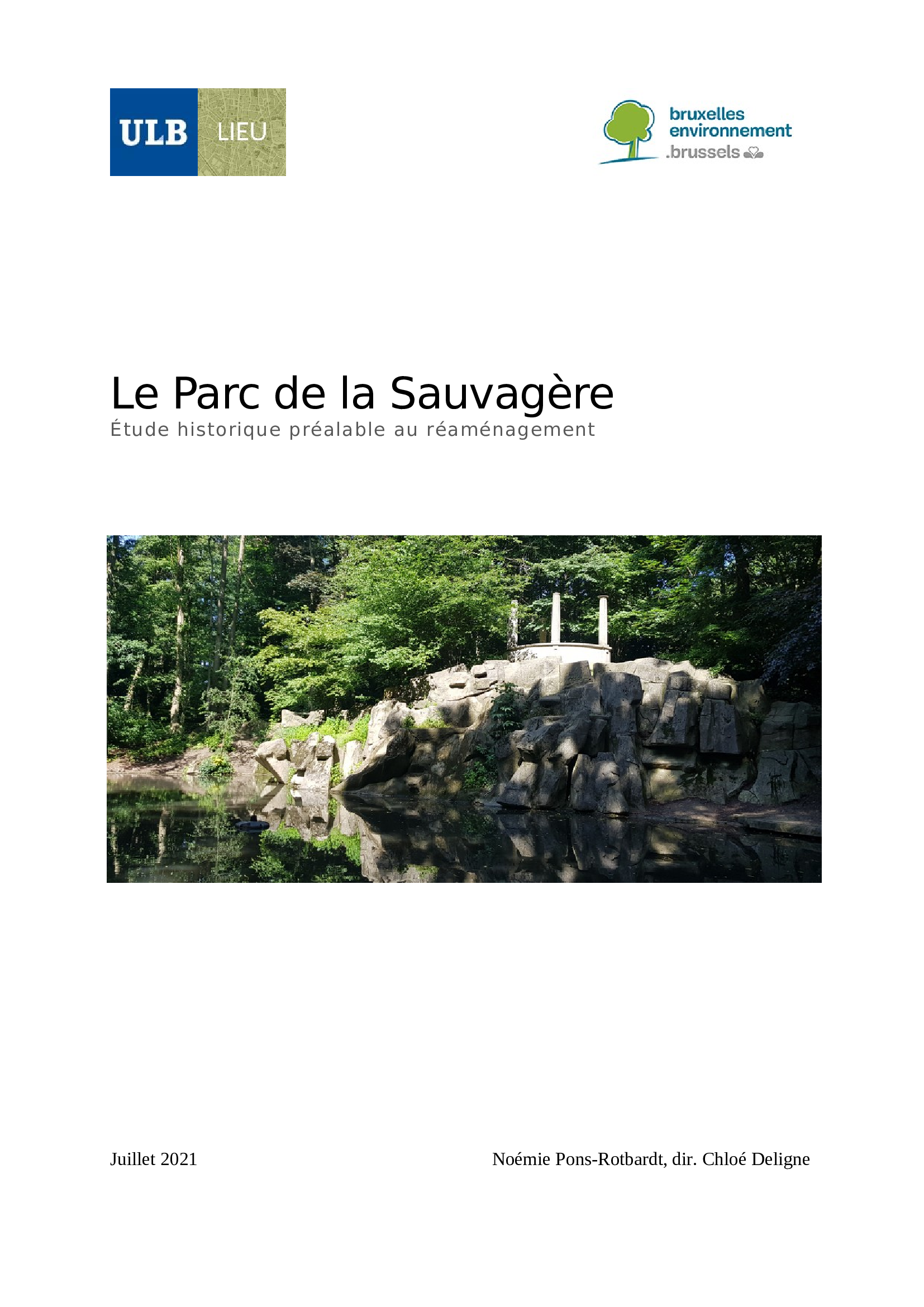
The land of La Sauvagère was once part of the Forêt de Soignes. It was sold to the Société Générale at the same time as the Forest, it was sold and then cleared from 1831-33. At the beginning of the 20th century, Albert Blieck, an industrialist in Molenbeek, had a villa built there designed by the architect Fritz Seeldrayers, in the middle of a park laid out by the landscape architect Jules Buyssens and the rock cutter François Dumilieu, two figures of the Jardin picturesque movement. Two successive owners have subsequently changed the contours and character of this private estate, which was relatively neglected for twenty years after the Second World War. Bought by the Commune of Uccle in 1964, it became a public green space public green space a few years later and is home to various sports facilities and domestic animals. Its proximity to other preserved natural areas (Kauwberg, Geleytsbeek valley, Engeland plateau, Verrewinkel wood, Fond Roy...) justifies its inclusion in the in the Natura 2000 network in 2016.